
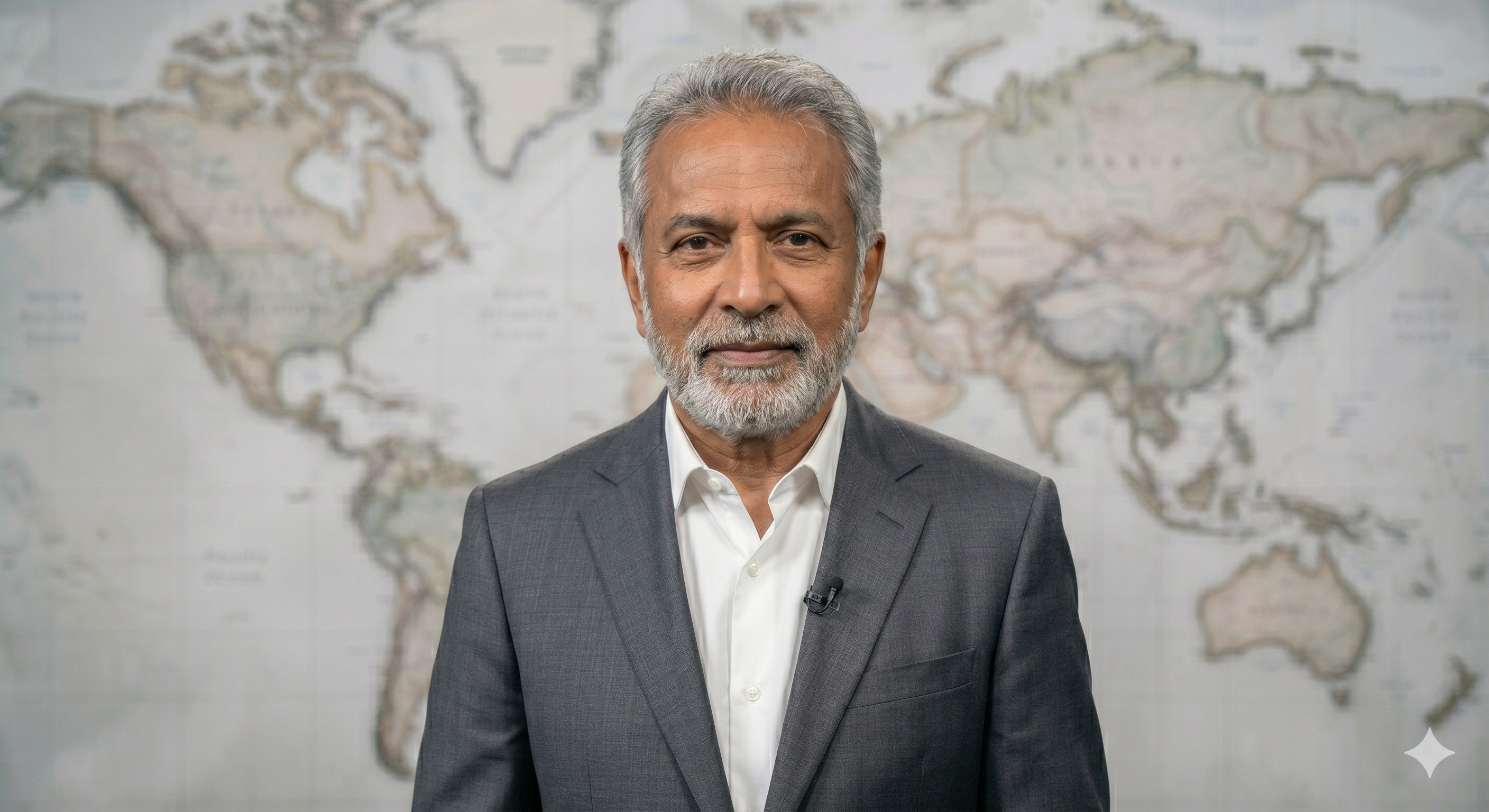

World Bank President Ajay Banga recently visited his ancestral home in Pakistan's Punjab province as part of a high-profile official trip. The 66-year-old Indian-American executive traveled approximately 250 km from Islamabad to Khushab to reconnect with his roots. During his visit, Banga paid homage at the historic Gurdwara Singh Sabha Khushab, where he offered prayers and engaged with local officials regarding the preservation of Sikh heritage.
The visit comes at a time when the significance of maintaining cultural and religious sites has become increasingly important. According to the Evacuee Trust Property Board (ETPB), which oversees minority religious sites in Pakistan, Banga also examined revenue records related to his family's former residence. This engagement underscores the connection between the Sikh community and their heritage in Pakistan.
- Heritage preservation efforts — ETPB officials briefed Banga on ongoing restoration projects for Sikh monuments.
- Pilgrim facilities improvement — Authorities highlighted measures ensuring hospitality for visiting Sikh pilgrims.
- Significance of cultural visits — Banga's visit reinforces ties between Sikhs and their heritage sites in Pakistan.
Banga, who was born in Maharashtra, India, and later became a naturalized US citizen, is currently on a four-day visit to Pakistan. Prior to his trip to Khushab, he paid respects at the revered Gurdwara Sri Panja Sahib in Hasan Abdal, accompanied by Federal Minister Muhammad Aurangzeb. These visits are significant as they symbolize the enduring bond of love that Sikhs worldwide share with Pakistan, primarily due to the preservation of their sacred sites within its borders.
As Banga's visit continues, discussions surrounding the maintenance and promotion of Sikh heritage sites are expected to gain momentum. Leaders like Sardar Ramesh Singh Arora, Pradhan of the Pakistan Sikh Gurdwara Parbandhak Committee, emphasize the importance of such visits in fostering international goodwill and understanding. Banga's engagement in Pakistan not only highlights his personal connection to the region but also represents a broader commitment to preserving cultural heritage for future generations.


