
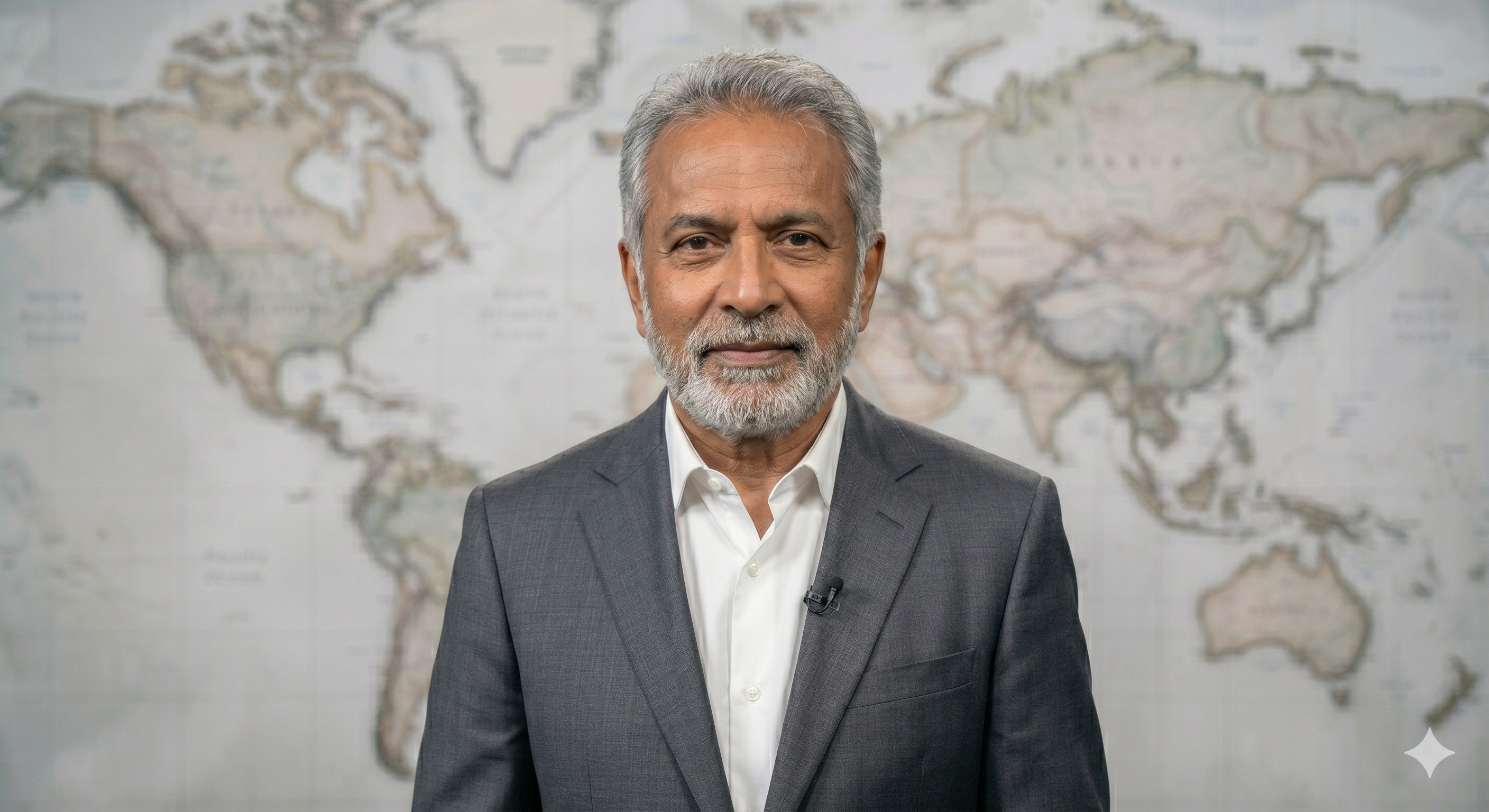

One very surprising diplomatic development has now happened as Prime Minister Narendra Modi arrived in New Zealand on July 11,2026 — and this is actually first visit by any Indian Prime Minister in 40 years . That number alone is worth sitting with for a moment.
Modi landed in Auckland as part of broader three-nation tour focused on strengthening India's presence in Indo-Pacific region . And timing of this visit is clearly not coincidence — China's growing influence in that region has been making several countries rethink their strategic partnerships for some time now.
During discussions with New Zealand Prime Minister Christopher Luxon,both leaders agreed to elevate their relationship to full strategic partnership . That is not small thing — it signals a serious shift in how both countries see each other going forward.
On the trade side,numbers being discussed are quite ambitious . Both sides have set five-year target to increase bilateral trade in goods and services to ₹35,000 crore by 2030 . Modi also pointed out that bilateral trade has already surged by more than 50% over past three years,which gives this target some real foundation to stand on .
He also expressed confidence that recently signed Free Trade Agreement would further push this growth . Honestly,if that trajectory continues,2030 target might not even feel that difficult.
Few key outcomes from this visit that stand out:
- 18 outcomes emerged from talks including 10 agreements focused on trade and defense .
- New logistics support pact was signed to enhance cooperation between Indian Navy and New Zealand Defence Force.
- Modi proposed business delegations under 35 years of age to strengthen future youth engagement between both countries .
At business event,PM Modi directly invited New Zealand business leaders to invest in India's Production Linked Incentive schemes . These schemes aim to provide around $20 billion in support across sectors like food processing and textiles . That is serious money being put on table and it would be interesting to see how many actually follow through .
Modi also acknowledged cultural connection with Maori community,suggesting that shared values around sustainability and community could actually create model for more inclusive global trade . That framing was unexpected but genuinely interesting in context of where world trade conversations are heading right now.
Beyond economics,both Prime Ministers discussed need for bold reforms in United Nations — specifically expanding UN Security Council . They also raised concern over rising tensions in West Asia,calling on all parties to show restraint and protect civilians . These are not easy conversations but fact that both sides are aligned on them says something.
And honestly,this visit raises bigger question about how many such relationships India has quietly let go cold over decades . Forty years without Prime Ministerial visit to a country that shares both democratic values and Indo-Pacific geography… that gap seems harder to explain the more you think about it.
Whether this new strategic partnership actually translates into sustained action or slowly fades into background noise of diplomatic paperwork — that part is still very much open…


